

For women over 40, mindset coaching often outperforms traditional diets for lasting weight loss. Traditional diets restrict calories but ignore the psychological barriers that cause relapse. Mindset coaching addresses the root causes of overeating, such as stress and emotional triggers. Life Warrior Coaching uses this approach to help women stop starting over. This comparison evaluates both methods to help you choose the right path for sustainable results.
Traditional Diet Approaches
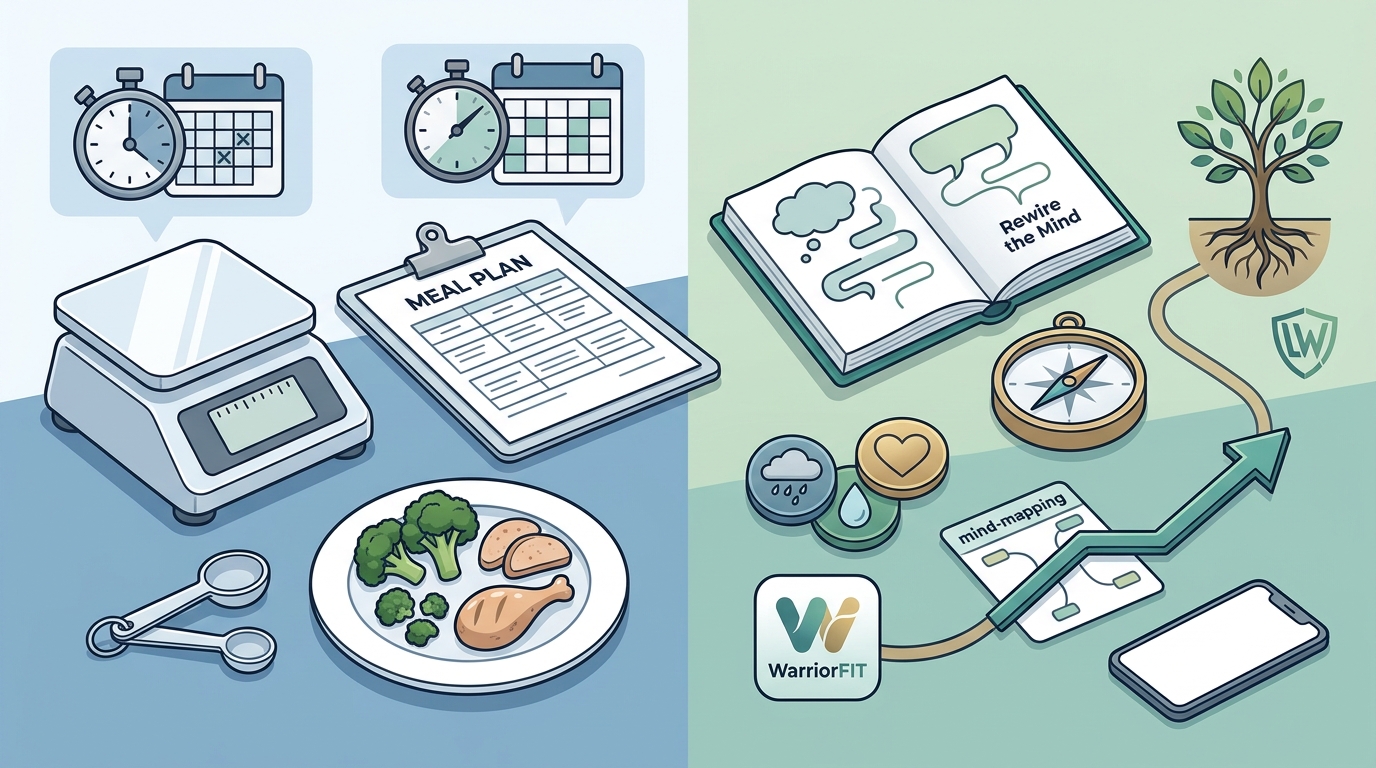
Traditional dieting focuses on caloric restriction and food rules. A traditional diet is a structured plan that limits specific food groups or total calorie intake to create a deficit. These plans often provide clear guidelines on what to eat and when to eat. They can produce rapid initial weight loss, which motivates many women to start. However, the success rate for long-term maintenance is low. Most people regain the weight within one to two years. This happens because the diet does not address the underlying behaviors that led to the weight gain in the first place. For additional details, review the .
Strengths of Traditional Diets
Limits of Traditional Diets
The primary limit of traditional diets is their temporary nature. They treat the symptom, not the cause. When life gets stressful, the diet often breaks down. Women may feel deprived and resentful. This leads to binge eating or complete abandonment of the plan. The cycle of restriction and rebound is common. It can damage your relationship with food. You may start to view food as the enemy. This negative association makes lasting change even harder. Traditional diets also ignore hormonal changes that occur after 40. They do not account for the metabolic shifts that make weight loss more difficult at this stage. For additional details, review the Customer Experience.
Mindset Coaching Methods
Mindset coaching focuses on the psychological aspects of weight loss. Mindset coaching is a therapeutic process that helps individuals identify and change the thoughts and beliefs that drive their eating behaviors. It does not rely on strict food rules. Instead, it builds self-awareness and emotional regulation. This approach helps women understand why they eat. It addresses stress, anxiety, and low self-esteem. By changing the internal narrative, women can make healthier choices without feeling deprived. This leads to more sustainable habits. The focus is on building a new relationship with food and your body. For additional details, review the Frequently Asked Questions.
Strengths of Mindset Coaching
Mindset coaching provides tools for life. It teaches you how to manage stress without turning to food. It helps you build self-trust and confidence. These skills remain with you long after the coaching ends. You learn to navigate difficult situations with resilience. This is crucial for maintaining weight loss over years and decades. The approach is also more compassionate. It does not shame you for eating. It helps you understand the function of your eating. This reduces the emotional burden of weight loss. Women often report feeling more in control of their lives. They feel empowered rather than restricted. For additional details, review the About.
Limits of Mindset Coaching
Mindset coaching requires active participation. You must be willing to do the inner work. This can be challenging and uncomfortable. It is not a quick fix. Results may take longer to appear on the scale. Some women may be frustrated by the lack of immediate structure. They may want clear rules to follow. However, the lack of rigid rules is a feature, not a bug. It allows for flexibility and adaptability. You learn to make choices that fit your life. This is more realistic than following a strict plan that ignores your daily reality. The key is to find a coach who provides enough guidance to keep you on track.
Comparison Table
| Criteria | Traditional Diet | Mindset Coaching |
|---|---|---|
| Primary Focus | Caloric restriction and food rules | Psychological patterns and emotional regulation |
| Long-Term Success Rate | Low; high relapse rate | High; builds sustainable habits |
| Relationship with Food | Often negative; food as enemy | Positive; food as fuel and choice |
| Stress Management | Not addressed; stress triggers bingeing | Core focus; teaches coping skills |
| Flexibility | Rigid; hard to maintain in real life | Flexible; adapts to life changes |
| Best For | Short-term goals; clear structure seekers | Lasting change; women over 40 |
Choose Your Path
Choosing between these two approaches depends on your goals and history. Understanding your past experiences with weight loss is key. If you have tried many diets and regained the weight, a new diet is unlikely to work. You need a different approach. If you are looking for a quick fix for a specific event, a traditional diet might suffice. But for lasting change, mindset coaching is the superior choice. Here is how to decide.
Choose Traditional Diets If
You need immediate structure and clarity. You are motivated by rules and restrictions. You are looking for short-term weight loss for a specific event. You have not tried many diets before. You are willing to accept that the results may be temporary. You prefer a prescriptive approach where someone tells you exactly what to eat. You are not currently struggling with significant emotional eating or stress. You have the time and energy to follow a strict plan. You are okay with the possibility of regaining the weight later.
Choose Mindset Coaching If
Frequently Asked Questions
Can I combine mindset coaching with a traditional diet?
How long does it take to see results with mindset coaching?
Results vary, but most women see changes in their mindset within a few weeks. Weight loss may take longer. The focus is on building new habits and patterns. This is a gradual process. You may not see the scale move quickly at first. But the changes in your behavior and relationship with food are the real results. These changes lead to lasting weight loss over time.
Is mindset coaching only for women with mental health issues?
No, mindset coaching is for anyone who wants to change their relationship with food and their body. It is not therapy for mental illness. It is a practical tool for behavior change. It helps you manage stress and make better choices. It is suitable for women who are healthy but stuck in a cycle of weight gain and loss. It is a proactive approach to health and well-being.
What if I am not good at self-reflection?
That is exactly why you need a coach. A good coach guides you through the process. They ask the right questions and provide the tools you need. You do not have to figure it out alone. The coaching provides a safe space to explore your thoughts and feelings. You will learn how to reflect on your own over time. This is a skill that can be developed with practice and support.
Can I switch from a diet to mindset coaching?
Yes, you can switch at any time. In fact, it is often recommended. If you are struggling with a diet, it is a sign that it is not working for you. Switching to mindset coaching can help you break the cycle. You may need to adjust your expectations. The focus will shift from the scale to your behavior. This is a more meaningful and sustainable measure of success. You will learn to trust yourself again.