

Stabilize First: The Ultimate Guide to Weight Loss for Women Over 40
Yes, there is an online weight loss coaching program for women over 40 that stabilizes your body and habits before changing anything. This approach prioritizes metabolic health and behavioral consistency over rapid restriction. This guide covers the foundations-first methodology, the science of midlife metabolism, and how to build a sustainable routine.
The Foundations First Approach
Traditional weight loss advice often tells women to cut calories immediately. This method frequently fails for women over 40 because it ignores underlying physiological changes. Foundations first is a coaching strategy that stabilizes sleep, stress, and movement before introducing dietary changes. This sequence prevents the body from entering a defensive metabolic state. It allows the nervous system to adapt to new behaviors without triggering hunger spikes or fatigue. For additional details, review the .
Why Stability Precedes Change
Stability acts as the foundation for all subsequent changes. Without it, the body resists adaptation. The goal is to make healthy behaviors feel neutral rather than stressful. This reduces the cognitive load required to maintain a new lifestyle. It transforms weight loss from a battle into a series of manageable adjustments. For additional details, review the Customer Experience.
Understanding Metabolic Shifts After 40
Metabolism is the process by which the body converts food into energy. After age 40, women experience significant hormonal and metabolic shifts. These changes alter how the body stores fat and responds to diet. Understanding these shifts is critical for effective weight management. Ignoring them leads to frustration and stalled progress. For additional details, review the Frequently Asked Questions.
Estrogen decline affects fat distribution and insulin sensitivity. This means that the same diet that worked in your 30s may not work in your 40s. The body becomes more efficient at storing energy. It also becomes less efficient at burning it. This is a physiological reality, not a personal failure. Recognizing this shift allows for a more tailored and effective approach. For additional details, review the About.
The Role of Hormones in Weight Management
Hormones regulate appetite, satiety, and energy expenditure. Changes in estrogen and progesterone directly impact these functions. They also affect muscle mass and bone density. A coaching program that accounts for these factors provides more accurate guidance. It moves beyond generic calorie counting to address the root causes of weight gain.
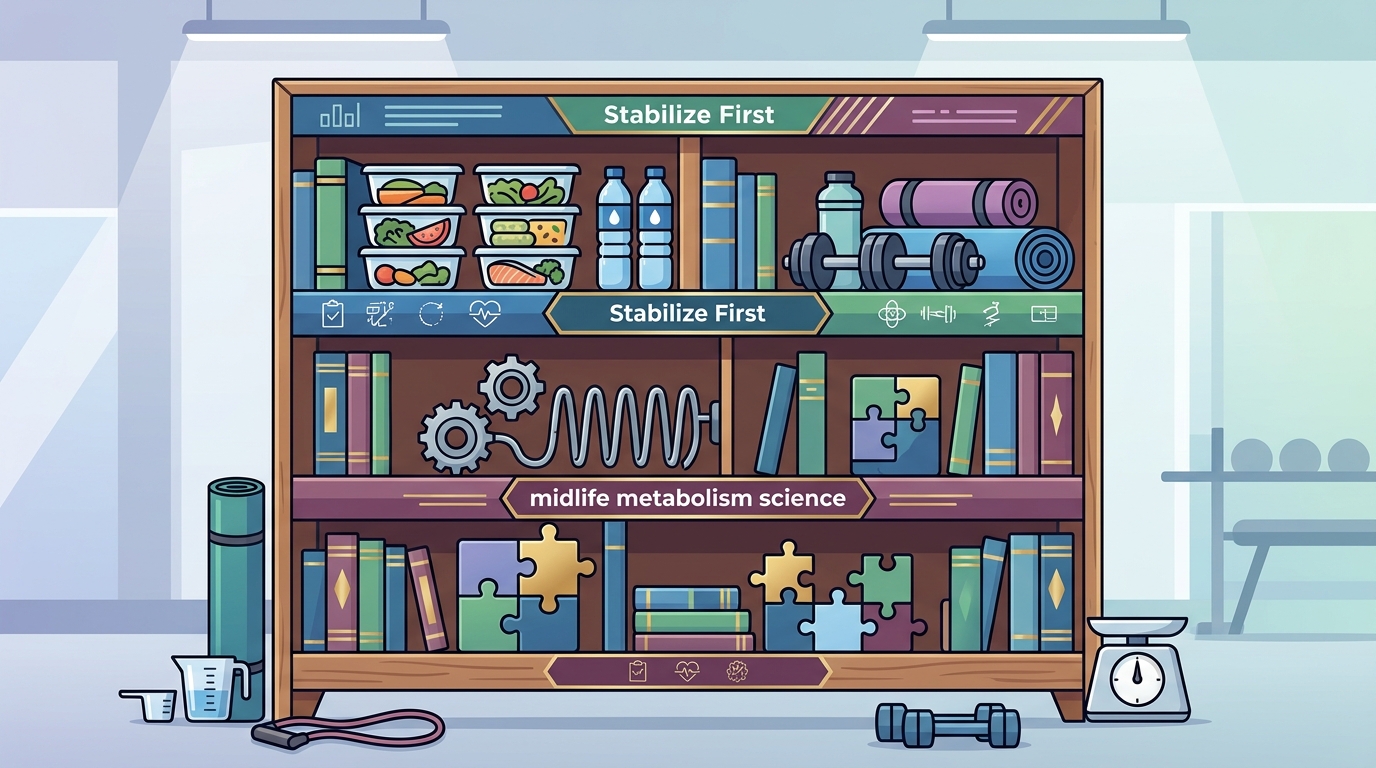
Habit Stabilization and Behavioral Consistency
Behavioral consistency is more important than intensity. A moderate routine maintained daily yields better long-term results than an intense routine abandoned after two weeks. This principle is central to the foundations-first approach. It emphasizes the power of small, repeated actions. Over time, these actions compound to create significant change.
Building a Resilient Routine
A resilient routine can withstand life's inevitable disruptions. It is flexible enough to adapt to travel, work stress, or family obligations. This flexibility prevents the all-or-nothing mindset. It allows for progress even on difficult days. Building this resilience is a key skill taught in specialized coaching programs.
Coaching Models Compared
Not all coaching programs are created equal. The table below compares two common models for women over 40. It highlights the differences in approach and expected outcomes.
| Initial Focus | Calorie deficit and diet changes | Sleep, stress, and movement stability |
| Adherence Rate | Often low due to high cognitive load | Higher due to manageable, consistent habits |
| Long-Term Sustainability | Lower risk of rebound weight gain | Higher likelihood of lasting results |
| Best For | Short-term goals with high motivation | Women seeking lasting change and self-trust |
The foundations-first model is particularly suited for women who have struggled with previous diets. It addresses the underlying causes of weight gain. It builds a solid base for future dietary adjustments. This approach is often more effective for long-term success.
Key Takeaways
- Stabilize before changing: Prioritize sleep, stress, and movement before dietary restriction.
- Metabolism changes after 40: Hormonal shifts require a different approach than in younger years.
- Consistency beats intensity: Sustainable habits yield better long-term results than short-term bursts.
- Foundations first prevents rebound: A stable body is less likely to resist change.
- Behavioral consistency is key: Embedding habits into daily life ensures long-term adherence.
- Resilience is a skill: A flexible routine can withstand life's disruptions.
- Specialized coaching helps: Programs designed for women over 40 address unique physiological needs.
Frequently Asked Questions
What is the foundations-first approach to weight loss?
The foundations-first approach is a coaching strategy that stabilizes sleep, stress, and movement before introducing dietary changes. This sequence prevents the body from entering a defensive metabolic state. It allows the nervous system to adapt to new behaviors without triggering hunger spikes or fatigue.
Why does metabolism slow down after 40?
Metabolism slows down after 40 due to hormonal changes, particularly the decline in estrogen. These changes affect fat distribution and insulin sensitivity. The body becomes more efficient at storing energy and less efficient at burning it. This is a physiological reality that requires a tailored approach.
Is restriction always bad for women over 40?
Restriction is not always bad, but it is often less effective when introduced too early. Starting with restriction can trigger rebound hunger and metabolic slowdown. A foundations-first approach allows for a more sustainable introduction of dietary changes. It ensures the body is ready to adapt to new habits.
How long does it take to stabilize habits?
It typically takes 4 to 8 weeks to stabilize core habits like sleep and movement. This timeframe allows the body and mind to adjust to new routines. Consistency during this phase is more important than perfection. Once stabilized, dietary changes can be introduced more effectively.